Where are you coming up with those numbers? Because per the FAA at
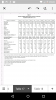
https://www.faa.gov/data_research/a...statistics/media/2015-civil-airmen-stats.xlsx they have only given out about 12K ATPs over the last 10 years and most of those are because of the ATP rule.
Table 18 on the link you provided.
What's the source? How is it possible that, on average in the last 10 years, more pilots have received the ATP cert than the private cert? Was there some massive pool of private pilots from pre-2006 who decided to get ATPs in record numbers over the past 10 years? I've poked thorough the airman database and for any given first and last name the majority are private pilots. I'm not sure how those add up given that an ATP has to first earn a private pilot certificate.
Maybe the "certificates issued" column counts each type added to an ATP's cert separately.
I must be dense because I'm having a hard time figuring out how you can issue almost 120,000 private pilot certs over those 10 years but only issue roughly 11,000 student pilot certificates. If every other cert is effectively an upgrade of an existing one, then student pilot certificates issued is the only true indicator of people entering the system, no? Furthermore, if you've got people going through a program like ATP, then you have one individual potentially going from student pilot to commercial in less than a year, 4 of the certificates listed on that chart.
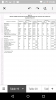
I'll buy these arguments. It was late last night and I didn't see that. Here's the new certificate data vice additional ratings:
One of the most detailed works on the "Pilot Shortage" is a
PhD thesis by an Air Force Student at the RAND graduate school. Here's the author's plot of airline hiring and ATP production:
The author predicts major airline hiring in the 4K-5K per year range for 2014 and beyond:
I somewhat disagree with the 4K-5K per year demand as it does not account for the economic cycles that clearly exist in this business. This is a different argument altogether, but I believe we are due for a recession in 2018-2020.
The author then forecasts ATP production and demand out to 2028:
In the analysis, the author believes there is enough ATP production to meet demand until 2028.
My initial grab at the data may have been wrong, but I still don't buy the "pilot shortage." Look guys, this is a business with 2%-3% domestic growth.
The
GAO did a study in 2014, and pretty much came up with the same conclusion.
One last data point - a shot of the line at the most recent Delta jobs fair:
Here's Hook's prediction of the future: The Majors do not and will not face a pilot shortage. Sure, they'll have to run full classes to keep up with the retirement pace. At the same time, the regionals will continue to face increased competition to bring in pilots -they'll have to get very creative with how they recruit and retain people. I'm concerned with what will happen at the bottom end of the market - small cities connecting to large hubs. I believe there will be further contraction of regional service. I am not at all concerned with the Majors ability to hire folks. None of the studies I've seen account for any type of recession, and I think the next one is around the corner.