Regular, moderate alcohol use (1-2x/week) doesn't cause mild cognitive impairment that persists once alcohol is metabolized. THC stays in the system for days to weeks, continuing to affect the brain after the high is over. We can easily know if someone has alcohol in their system, but there is no reliable way to determine if they are impaired from THC. We are essentially going off the honor system. That works, until it doesn't.The same issues are present with alcohol use, as well. It's rare that pilots get 30+ days off, maybe once per year for the people who do, so if you implement the Canadian 28 day rule, then it really isn't an issue.

You are using an out of date browser. It may not display this or other websites correctly.
You should upgrade or use an alternative browser.
You should upgrade or use an alternative browser.
Marijuana being considered for pilots
- Thread starter tlove482
- Start date

CoffeeIcePapers
Well-Hung Member
Again, using the 28 day Canadian framework, a pilot would maybe only get to use it once per year, if ever. For a non habitual user, 28 days is more than enough to pass a standard urine test, so its really a non-issue.Regular, moderate alcohol use (1-2x/week) doesn't cause mild cognitive impairment that persists once alcohol is metabolized. THC stays in the system for days to weeks, continuing to affect the brain after the high is over. We can easily know if someone has alcohol in their system, but there is no reliable way to determine if they are impaired from THC. We are essentially going off the honor system. That works, until it doesn't.
Also, random tests are done after a sequence is complete, so the status quo is currently using the honor system.

Inverted
mmmmmm wine
I support marijuana legalization, and I think this idea is nuts. Mild cognitive deficit is a well-established effect of regular THC use. The cognitive effects do not immediately go away once intoxication (the high from THC) dissipates, and as someone else said, there is no reliable way to determine if someone is intoxicated or impaired from THC. Thanks to Uncle Sam outlawing THC for decades, there is a dearth of research on the long-term effects of use. We simply lack sufficient data to know most of the long-term effects of THC use, but what we do know is not encouraging. A growing body of data links THC use to increased risks of psychosis and dementia. We just don't know how long after THC use it is safe to fly, given that its cognitive effects are not fully understood. Do we really want to allow pilots to use THC and take to the skies?
I mean, anyone can walk into a 7/11 on a 12-hour overnight and buy enough alcohol to kill themselves. How many times have we flown with somebody suffering from residual effects of alcohol, and they merely said they were tired? How many times have any of us flown under the potential residual effects of alcohol? How many people on this forum have flown with or have themselves suffered from a dependence on alcohol? Its rampid, it's dangerous, and it is a much bigger poison than THC.
The fact that we will sidestep mental health, poo-poo the idea of seeing a shrink, and demonize weed in 2026 while still glazing a poison that kills 2.6 million people worldwide a year still boggles my mind.
BTW, I love having drinks, so I am not anti-alcohol at all. But to pretend that THC poses any greater threat than the short and long term effects of alcohol use and abuse is crazy.
Again, using the 28 day Canadian framework, a pilot would maybe only get to use it once per year, if ever. For a non habitual user, 28 days is more than enough to pass a standard urine test, so its really a non-issue.
Also, random tests are done after a sequence is complete, so the status quo is currently using the honor system.
I'm not comfortable with the honor system. Simple as that. Such a system can be abused. I have a background in mental health, for reference.
I feel you're missing the point I'm making. I am not arguing that alcohol abuse is less dangerous. It's a devastating disease that affects not only the addict but also their loved ones. In that sense, it is more dangerous than THC. But at least we have a reliable way to determine if someone has enough ethanol in their blood to render them a threat to the safe operation of a vehicle or aircraft. We lack that ability with THC. And we don't know how much THC (dose x frequency) one can partake of and avoid having cognitive impairment.I mean, anyone can walk into a 7/11 on a 12-hour overnight and buy enough alcohol to kill themselves. How many times have we flown with somebody suffering from residual effects of alcohol, and they merely said they were tired? How many times have any of us flown under the potential residual effects of alcohol? How many people on this forum have flown with or have themselves suffered from a dependence on alcohol? Its rampid, it's dangerous, and it is a much bigger poison than THC.
The fact that we will sidestep mental health, poo-poo the idea of seeing a shrink, and demonize weed in 2026 while still glazing a poison that kills 2.6 million people worldwide a year still boggles my mind.
BTW, I love having drinks, so I am not anti-alcohol at all. But to pretend that THC poses any greater threat than the short and long term effects of alcohol use and abuse is crazy.
As far as flying with someone suffering from residual effects of alcohol - that should probably be treated the same way it would be with any other illness a pilot has - don't fly. That's not really pertinent to the topic of whether pilots should be allowed to use THC. I think it's a bad idea.


killbilly
Vocals, Lyrics, Triangle, Washboard, Kittens
They are.
HR 2591 (Mental Health in Aviation Act) is a bipartisan bill which aims to destigmatize seeking mental health care among pilots and those in aviation while also encouraging pilots to seek help with mental health issues without fear of losing their livelihood. It also wants to reclassify and approve additional medications for pilots. It passed in the House last year but is still pending in the Senate.
The Senate proposed their own identical bipartisan bill earlier this year (S. 3257) which is waiting to be voted on. It's expected to pass.
So it seems as though they are finally doing something about it even if it's a little step at a time. Hopefully the conversation around mental health in aviation is finally changing.
Jesus Freaking Murphy this is a half-measure at best.
I had a really long write-up on this but I just get so pissed off about the actual BS involved here I'm just going to do the bullet points:
- The FAA has no right or need to review clinical notes from sessions with therapists but they're insisting on it, even if no medication is involved.
- They can't effing well process this stuff in any expeditious manner so unless the pilot has REALLY good disability coverage, they're not going to be able to earn while their case is being reviewed by people with zero clinical relationship to the pilot.

Karnage
I-am-a-pirate. I do not need credentials!
Jesus Freaking Murphy this is a half-measure at best.
I had a really long write-up on this but I just get so pissed off about the actual BS involved here I'm just going to do the bullet points:
The conversation needs to stop treating mental health any differently than any other health care and they need to stop being so performative and self-back-patting about it. The current aeromedical positions on mental health care for pilots is a stain on the FAA and they should be effing ashamed of how they've handled this. They should be issuing mea culpas.
- The FAA has no right or need to review clinical notes from sessions with therapists but they're insisting on it, even if no medication is involved.
- They can't effing well process this stuff in any expeditious manner so unless the pilot has REALLY good disability coverage, they're not going to be able to earn while their case is being reviewed by people with zero clinical relationship to the pilot.
All of which is part of what makes me laugh every time the company puts out an update about “speaking out for your mental health because the FAA makes it so easy now.” It’s performative B.S.
As part of my Special Issuance I am required to get periodic visits with a mental health professional and submit a status report once a year they essentially says “no, just because this person is trans they aren’t mentally ill.” It’s a fairly simple questionnaire that is largely like the medical history section of MedExpres and is a “YES/NO; if yes explain” setup. My therapist doesn’t even keep clinical notes (because as she rightly attests, being trans is not a mental illness) so under this “simplified process” I wouldn’t even be able to meet the reporting requirements.
And as you correctly point out, the FAA lacks the staffing at AeroMedical to efficiently review applications and nor would those doing the reviews have the client specific relationship needed to accurately evaluate the reports.
The FAA’s transgender process actually was super streamlined and while a hassle, ultimately was fairly simple. Fill this mental health evaluation form out and send it to us with a detailed note from your physician stating any adverse effects of hormone replacement. 4-6 months later they would send you an SI with the condition to essentially send that same stuff on an annual basis for the next 0-6 years after which they release you to a normal medical and off you go.
Their policies for neurodivergent people are, per the FAA, extremely simple and non-invasive. And sure it’s, if you can prove you’ve been stable without medication or hospitalization for 4+ years. If not, please be prepared for an invasive examination often requiring duplication of submissions and excessive waiting. Pretty nasty process actually considering the prevalence of pilots on the spectrum but undiagnosed.
Until it gets reduced to a simple “yes/no, if yes please explain…” form with zero other required submissions if everything is no from the mental health professional than it’s not de-stigmatizing or encouraging pilots to seek proper mental health.
As a transgender individual, that's both fascinating and horrifying. I can't fly for medical reasons, but if I could fly, I can't imagine having to submit regular reports for something that, as you correctly point out, is not mental illness. I wonder how difficult the current administration has made things for transgender pilots.All of which is part of what makes me laugh every time the company puts out an update about “speaking out for your mental health because the FAA makes it so easy now.” It’s performative B.S.
As part of my Special Issuance I am required to get periodic visits with a mental health professional and submit a status report once a year they essentially says “no, just because this person is trans they aren’t mentally ill.” It’s a fairly simple questionnaire that is largely like the medical history section of MedExpres and is a “YES/NO; if yes explain” setup. My therapist doesn’t even keep clinical notes (because as she rightly attests, being trans is not a mental illness) so under this “simplified process” I wouldn’t even be able to meet the reporting requirements.
And as you correctly point out, the FAA lacks the staffing at AeroMedical to efficiently review applications and nor would those doing the reviews have the client specific relationship needed to accurately evaluate the reports.
The FAA’s transgender process actually was super streamlined and while a hassle, ultimately was fairly simple. Fill this mental health evaluation form out and send it to us with a detailed note from your physician stating any adverse effects of hormone replacement. 4-6 months later they would send you an SI with the condition to essentially send that same stuff on an annual basis for the next 0-6 years after which they release you to a normal medical and off you go.
Their policies for neurodivergent people are, per the FAA, extremely simple and non-invasive. And sure it’s, if you can prove you’ve been stable without medication or hospitalization for 4+ years. If not, please be prepared for an invasive examination often requiring duplication of submissions and excessive waiting. Pretty nasty process actually considering the prevalence of pilots on the spectrum but undiagnosed.
Until it gets reduced to a simple “yes/no, if yes please explain…” form with zero other required submissions if everything is no from the mental health professional than it’s not de-stigmatizing or encouraging pilots to seek proper mental health.
Karnage
I-am-a-pirate. I do not need credentials!
As a transgender individual, that's both fascinating and horrifying. I can't fly for medical reasons, but if I could fly, I can't imagine having to submit regular reports for something that, as you correctly point out, is not mental illness. I wonder how difficult the current administration has made things for transgender pilots.
Nuisance as the reports are, it’s honestly not horribly inconvenient, and while the specialist are different, the reporting requirements are about on par with the asthma reporting requirements from before when asthma was a CACI.
As for how the current admin has affected us… they’ve been extremely good at making things miserable, though most of that has been on stuff outside the FAA. The FAA has been complying in the least impactful way possible as they go along, though it’s still painful dealing with them. The FAA has removed all information regarding the process for things relating to gender changes to the medical approval process for people on HRT from any place it appeared in any of their manuals or guides. The requirements for certificate changes have gotten more strict and trans people from a lot of states cannot ever obtain the needed items. The medical certification process from Jan 19, 2025 remains in effect, but you need to find someone who has the stuff saved on their computer locally from then to file it. AMEs are also starting to become reluctant to process new applications involving HRT because of the “officially unofficial” process.

Roger Roger
I am le tired
Yah, the air transport system would crash to a halt if neurospicy folks actually couldn’t hold medicals.All of which is part of what makes me laugh every time the company puts out an update about “speaking out for your mental health because the FAA makes it so easy now.” It’s performative B.S.
As part of my Special Issuance I am required to get periodic visits with a mental health professional and submit a status report once a year they essentially says “no, just because this person is trans they aren’t mentally ill.” It’s a fairly simple questionnaire that is largely like the medical history section of MedExpres and is a “YES/NO; if yes explain” setup. My therapist doesn’t even keep clinical notes (because as she rightly attests, being trans is not a mental illness) so under this “simplified process” I wouldn’t even be able to meet the reporting requirements.
And as you correctly point out, the FAA lacks the staffing at AeroMedical to efficiently review applications and nor would those doing the reviews have the client specific relationship needed to accurately evaluate the reports.
The FAA’s transgender process actually was super streamlined and while a hassle, ultimately was fairly simple. Fill this mental health evaluation form out and send it to us with a detailed note from your physician stating any adverse effects of hormone replacement. 4-6 months later they would send you an SI with the condition to essentially send that same stuff on an annual basis for the next 0-6 years after which they release you to a normal medical and off you go.
Their policies for neurodivergent people are, per the FAA, extremely simple and non-invasive. And sure it’s, if you can prove you’ve been stable without medication or hospitalization for 4+ years. If not, please be prepared for an invasive examination often requiring duplication of submissions and excessive waiting. Pretty nasty process actually considering the prevalence of pilots on the spectrum but undiagnosed.
Until it gets reduced to a simple “yes/no, if yes please explain…” form with zero other required submissions if everything is no from the mental health professional than it’s not de-stigmatizing or encouraging pilots to seek proper mental health.
Granted, it would weed out some of the worst of our coworkers, but a whole hell of a lot more super cool folks.

jtrain609
Antisocial Monster
Nuisance as the reports are, it’s honestly not horribly inconvenient, and while the specialist are different, the reporting requirements are about on par with the asthma reporting requirements from before when asthma was a CACI.
I've got some things to say about this.
Karnage
I-am-a-pirate. I do not need credentials!
I've got some things to say about this.
The annoyingly out of touch evaluation and reporting requirements for transgender pilots? Or the pre-CACI asthma hoops I had to jump through? (Not a fan of the CACI process for asthma honestly but it’s a lot simpler than my old tests and reports.)
Roger Roger
I am le tired
Sucks to your ass-marThe annoyingly out of touch evaluation and reporting requirements for transgender pilots? Or the pre-CACI asthma hoops I had to jump through? (Not a fan of the CACI process for asthma honestly but it’s a lot simpler than my old tests and reports.)
jtrain609
Antisocial Monster
The annoyingly out of touch evaluation and reporting requirements for transgender pilots? Or the pre-CACI asthma hoops I had to jump through? (Not a fan of the CACI process for asthma honestly but it’s a lot simpler than my old tests and reports.)
The asthma stuff. They've turned spirometry results into a check ride. While it's a good tool, tracking major changes in spirometry results is the purpose of the test, not mandating a minimum floor.
That plus their unwillingness to include biologics in CACI. It's the standard of care today. The FAA is stuck in the 1980's when it comes to asthma management.
My yearly allergist appointment is basically 20 seconds of, "Yup, nothing has changed with you in the last 40 years" and 20 minutes of her ranting about how out of date the FAA requirements are.
Karnage
I-am-a-pirate. I do not need credentials!
The asthma stuff. They've turned spirometry results into a check ride. While it's a good tool, tracking major changes in spirometry results is the purpose of the test, not mandating a minimum floor.
That plus their unwillingness to include biologics in CACI. It's the standard of care today. The FAA is stuck in the 1980's when it comes to asthma management.
My yearly allergist appointment is basically 20 seconds of, "Yup, nothing has changed with you in the last 40 years" and 20 minutes of her ranting about how out of date the FAA requirements are.
Gotcha, yeah, that’s basically my experience. I’ve been almost 30 years stable on my asthma meds and none of my allergy triggers are likely to be in high enough concentrations in the cockpit to cause me issues yet once a year I get to jump through FAA hoops for it. Hell, I’m in the hospital now and my surgeon saw asthma on my conditions and gave me a flow meter to use multiple times a day to work on my breathing while I was on bed rest he first few days. I gave up on it on the first day after surgery when I could max it out without even taking a deep breath before hand.
Then again, listening to my docs ramble about the stupidity of FAA medical testing requirements is pretty much the end result of 1/2 to 2/3 of all my doctor visits in a year as they are related not to my health but FAA reporting requirements. Not a single one of the specialists the FAA requires me to see think what I see them for proves the stuff the FAA claims to be wanting. But what do they know.

Cory Trevor
Well-Known Member
Dave’s not here, man

ERfly
Well-Known Member
"Hey man, how's my flying?"Dave’s not here, man
"I think we're parked, man."

DropTank
Well-Known Member
Phuket, we're ALL having weed, man!
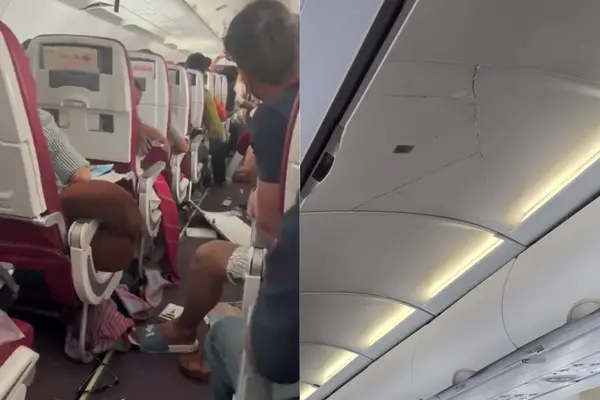
 www.guwahatiplus.com
Air India Pilot Tests Positive for Marijuana After Phuket-Delhi Flight Incident: Reports
Air India pilot reportedly tests positive for marijuana after Phuket-Delhi flight AI2379 lost 300 feet and injured 24 passengers and crew.
www.guwahatiplus.com

BEEF SUPREME
Well-Known Member
It's legal in Canada for ATC and pilots to use cannabis:
Cannabis legalization
Cannabis Legalization for better pilot decision making. Resources for pilot decision-makingtc.canada.ca
You need 28 days off so that rules out bong hits if you work for Alaska Airlines. No way you'll get that much time off.

///AMG
Well-Known Member
You need 28 days off so that rules out bong hits if you work for Alaska Airlines. No way you'll get that much time off.
Would that be the norm anywhere that does short-haul NB flying? I haven't really tried this yet, but I am normally pretty successful getting 10-12 consecutive days off if I need it with original PBS awards (no trading/dropping required).........pretty sure I could stack them end of month and then beginning of next month, like the WB peeps do, and there might even be enough buffer days around them to almost get to 28. Not that this particular issue is something I'd be interested in. Yes I often take it in the teeth a little bit with trip quality and such in those instances, but it could be done with some planning.