

A Life Aloft
Well-Known Member
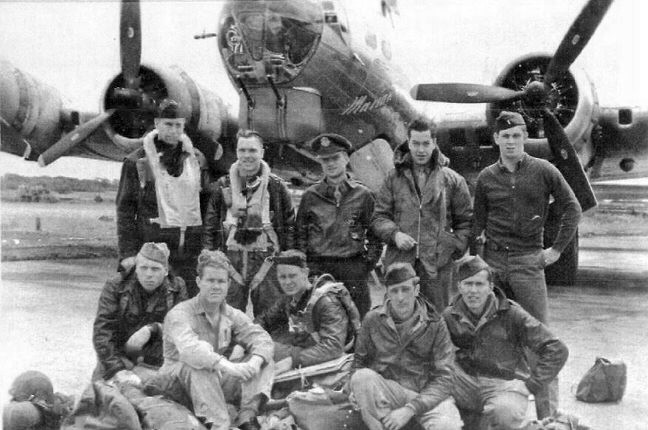
What always struck me was the average age of the men (most of whom were still really boys) serving in the various Armed Forces during the war, especially the ages of the pilots, gunners, navigators and bombardiers. Most pilot officers were 21, 22, 23 years old. The average age of all the men who fought in the war was only 26 years old. So many kids, and I mean kids joined up after lying or producing phony documents to alter their true ages. There were 16 and 17 year olds ready to serve their country and lay down their lives. They came from everywhere, farms, small towns, ranches, big cities, you name it.
Courage, sacrifice and heart are ageless.

Some fighter pilots entered combat in 1942 with less than one hour in their assigned aircraft. The 357th Fighter Group went to England in late 1943 having trained on P-39s. The group never saw a Mustang until shortly before its first combat mission. A high-time P-51 pilot had 30 hours in type. Many had fewer than five hours. Some had one hour. One hour.
With arrival of new aircraft, many combat units transitioned in combat. The attitude was, "They all have a stick and a throttle. Go fly `em." When the famed 4th Fighter Group converted from P-47s to P-51s in February 1944, there was no time to stand down for an orderly transition. The Group commander, Col. Donald Blakeslee, said, "You can learn to fly `51s on the way to the target.
Just as amazing was the AAF training of Navigators. The Army graduated some 50,000 during the War. And most of them had never flown out of sight of land before leaving for a war zone. Yet the vast majority of them found their way across oceans and continents without getting lost or running out of fuel.


Courage, sacrifice and heart are ageless.
Some fighter pilots entered combat in 1942 with less than one hour in their assigned aircraft. The 357th Fighter Group went to England in late 1943 having trained on P-39s. The group never saw a Mustang until shortly before its first combat mission. A high-time P-51 pilot had 30 hours in type. Many had fewer than five hours. Some had one hour. One hour.
With arrival of new aircraft, many combat units transitioned in combat. The attitude was, "They all have a stick and a throttle. Go fly `em." When the famed 4th Fighter Group converted from P-47s to P-51s in February 1944, there was no time to stand down for an orderly transition. The Group commander, Col. Donald Blakeslee, said, "You can learn to fly `51s on the way to the target.
Just as amazing was the AAF training of Navigators. The Army graduated some 50,000 during the War. And most of them had never flown out of sight of land before leaving for a war zone. Yet the vast majority of them found their way across oceans and continents without getting lost or running out of fuel.


