You are using an out of date browser. It may not display this or other websites correctly.
You should upgrade or use an alternative browser.
You should upgrade or use an alternative browser.
ATC AUDIO of me making an emergency landing
- Thread starter jerrywhite7
- Start date


Giggity
Well-Known Member
To everybody talking about instructors verifying fuel...why not use the gauges in flight? Fuel checks don't have to be exclusively visual checks.
That's how I do it. One of the first checks I do after engine start is a look at the fuel quantity gauges. If they both read full, I don't worry about it. If less than full, I ask the pilot how many gallons of fuel we have. Notice I say "gallons" rather than if we simply have "enough."
I've never had a problem with this method. I can't visually double-check everything and I'm not going to try.
You took the words out of my mouth.... Fuel gauges are manditory for a reason.... Make it a habbit to scan your engine instruments like a hawk.

To everybody talking about instructors verifying fuel...why not use the gauges in flight? Fuel checks don't have to be exclusively visual checks.
I've never flown a piston with fuel gauges which I felt were reliable enough to depend on.

stesta5074
Well-Known Member
Congratulations! You were very professional in handling the emergency; I hope to keep my calm if this kind of thing happens to me. Your story will also help me avoid complacency in my own preflights (and even when I'm not PIC).
Thank you
Thank you

Menn80
Well-Known Member
I've never flown a piston with fuel gauges which I felt were reliable enough to depend on.
:yeahthat: There is nothing like watching a 172 gauge bounce from full to empty every two seconds.... Which is it?!? Is it Full, or is it empty!
 anic:

stesta5074
Well-Known Member
:yeahthat: There is nothing like watching a 172 gauge bounce from full to empty every two seconds.... Which is it?!? Is it Full, or is it empty!
It's full of course! You saw it overflowing on the preflight, and have calculated 2.4 gallons have been burned.


jrh
Well-Known Member
I've never flown a piston with fuel gauges which I felt were reliable enough to depend on.
Neither have I...at least not reliable *electric* gauges (the "float-type" gauges from vintage aircraft like my C-140, or some of the new LSAs are very accurate).
But it still gives you a pretty good idea of if the tanks are full or not. I've never flown a plane that indicates completely full as the tank runs dry.

fholbert
Mod's - Please don't edit my posts!
At least you have a recording of the LAST time you'll have a fuel issue.
I had topped of everything but made an error in my math. I'd run the first two tanks dry for max range. I casually made a fuel stop thinking I had about 40 minutes fuel remaining. First hint of an issue, I was rolling out with the nose wheel off the ground and the engine quit. I got it restarted and taxied to the fuel island. I watch in horror as gallons sold on the pump went past my usable fuel. 75.0 usable, 79.0 purchased.
I had topped of everything but made an error in my math. I'd run the first two tanks dry for max range. I casually made a fuel stop thinking I had about 40 minutes fuel remaining. First hint of an issue, I was rolling out with the nose wheel off the ground and the engine quit. I got it restarted and taxied to the fuel island. I watch in horror as gallons sold on the pump went past my usable fuel. 75.0 usable, 79.0 purchased.

Neither have I...at least not reliable *electric* gauges (the "float-type" gauges from vintage aircraft like my C-140, or some of the new LSAs are very accurate).
But it still gives you a pretty good idea of if the tanks are full or not. I've never flown a plane that indicates completely full as the tank runs dry.
Reminds me of the 65 yr old helo IP I was flying with in a new glass cockpit TH-1. Getting a "MISC MISCOMPARE" message inflight due to one of the PFDs not matching the EICAS fuel-wise.......as in, pretty far off.
And he habitually taps on the EICAS glass over the digital fuel readout. I love it!
Menn80
Well-Known Member
It's full of course! You saw it overflowing on the preflight, and have calculated 2.4 gallons have been burned.
:yup:Overflowing on preflight, makes me think of filling an airplane at night when its -20 and then the next day it is 35 and its dripping out of the vent.

jerrywhite7
Well-Known Member
To everybody talking about instructors verifying fuel...why not use the gauges in flight? Fuel checks don't have to be exclusively visual checks.
That's how I do it. One of the first checks I do after engine start is a look at the fuel quantity gauges. If they both read full, I don't worry about it. If less than full, I ask the pilot how many gallons of fuel we have. Notice I say "gallons" rather than if we simply have "enough."
I've never had a problem with this method. I can't visually double-check everything and I'm not going to try.
Fuel gauges only need to read accurate at "0" . . . sucks if they are reading "high" then all the sudden they read "accurate".. I visualy check . . . especialy now. . .a lot of the planes I fly while flight instructing are from the 80 and well, things just dont work the way they are suppose too!!!

beasly
Well-Known Member
Well, there are times you may have to. So I wouldn't necessarily say Never x 4.
Yeah, me either, but you are in the military
Different flight regimes--different people.
Translate that NEVER x 4 to Paranoid X 4.
Still, I am going to check if I can.
Cordially,
b.


Chief Captain
Well-Known Member
Thank you for sharing your experience with us. It takes real courage to take responsibility for your mistake in that way that you have done. Job well done, sir.

Baronpilot244
Killick Stoker
Good Job, Jerry, even though you know you'll have to face the music, you kept cool and did what you had to do. I am so very glad we weren't waking up to worse news today and that you are still with us.
Bp244
Bp244
jerrywhite7
Well-Known Member
thank you all for the nice repsponses as well as the storie of your own "issues" dealing with fuel. Thank you as well for the honest feed back.
I thought I'd put a few pics from that day here . . . there are some more located here . .http://forums.jetcareers.com/pictures-road/103050-emergency-procedures-you-can-walk-away.html
I thought I'd put a few pics from that day here . . . there are some more located here . .http://forums.jetcareers.com/pictures-road/103050-emergency-procedures-you-can-walk-away.html
Attachments
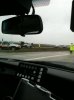
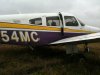


NC_BE300
Well-Known Member
Quite a story.
It makes me think back to the many different kinds of instructors i have flown with-many great guys, but when i thought about it more-probably only a handful of them checked over me when i was a student with them.
But then again, it was the flight schools policy/practice that the planes were normally fueled up anyway before the next person took the plane.