The U.S. Navy acquired 22 modified Block 30 F-16Cs for use as adversary assets for
dissimilar air combat training (DACT); four of these were TF-16N two-seaters. These aircraft were delivered in 1987-1988. Fighter Squadron 126 (
VF-126) and the
Navy Fighter Weapons School (NFWS) (or
TOPGUN) operated them at
NAS Miramar, California on the West Coast; East Coast adversary training squadrons were Fighter Squadron 43 (
VF-43) at
NAS Oceana, Virginia and Fighter Squadron 45 (
VF-45) at
NAS Key West, Florida. Each squadron had five F-16N and one TF-16N, with the exception of TOPGUN which had six and one, respectively. Due to the high stress of constant combat training, the wings of these aircraft began to crack and the Navy announced their retirement in 1994. By 1995, all but one of these aircraft had been sent to the
309th Aerospace Maintenance and Regeneration Group (AMARG) for preservation and storage; one F-16N was sent to the
National Museum of Naval Aviation at
NAS Pensacola, Florida as a museum article. As adversary aircraft, the Navy's F-16Ns were notable for their colorful appearance. Most Navy F-16N aircraft were painted in a three-tone blue-gray "ghost" scheme. TOPGUN had some of the more colorful ones: a three-color desert scheme, a light blue one and a green
splinter camouflage version with Marine Corps markings. VF-126 also had a unique blue example.
In 2002, the Navy began to receive 14 F-16A and B models from the
Aerospace Maintenance and Regeneration Center (AMARC) that were originally intended for Pakistan before being embargoed. These aircraft (which are not designated F-16N/TF-16N) are operated by the
Naval Strike and Air Warfare Center (NSAWC) / (TOPGUN) for adversary training and like their F-16N predecessors are painted in exotic schemes.



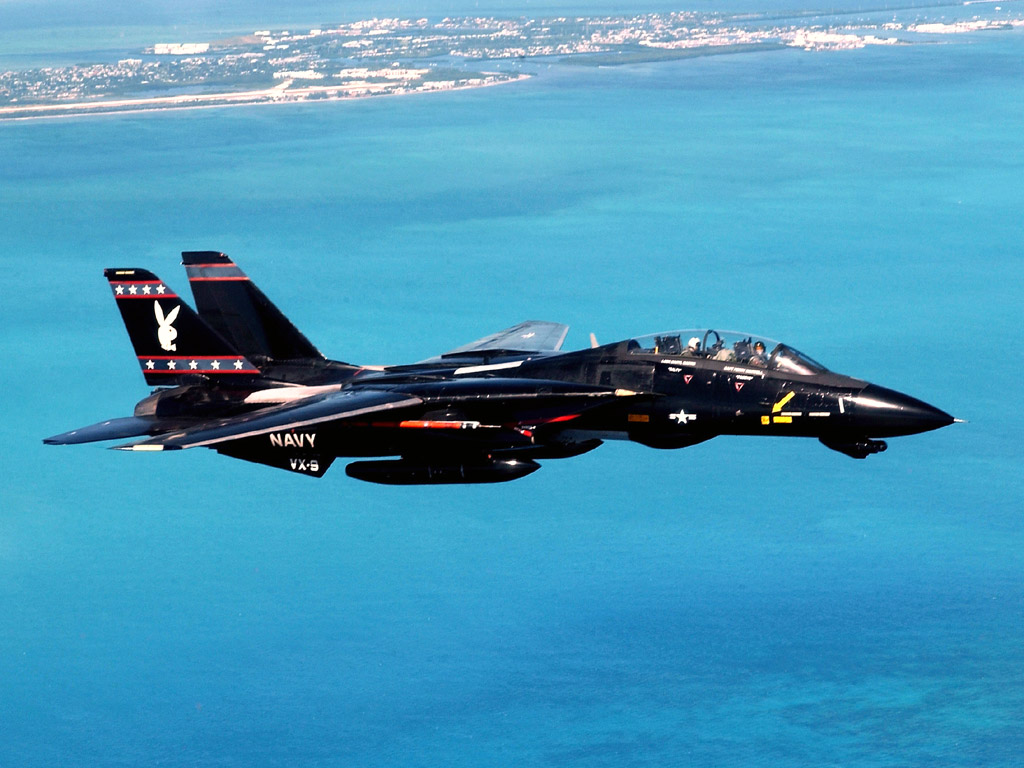


 ...The other could be misconstrued for an experimental camo that the USN applied to some of it's A-1 Skyraiders and A-6 Intruders during the war though.